
The most useful skincare tips are to cleanse gently, moisturize, and protect exposed skin from the sun. Broad-spectrum sunscreen is labeled to protect against both UVA and UVB rays. What if a few steady steps help more than a shelf full of products?
Many people want care that fits a busy day and supports skin health without adding stress. You can begin with a small routine, then adjust it when your needs change. Simple choices can make daily care easier to keep up.
Key Takeaways
- Start with gentle cleansing, moisture, and sun protection.
- Keep your routine short enough to follow most days.
- Choose products based on how your skin feels and behaves.
- Add treatment products slowly, one at a time.
- Ask a dermatologist about concerns that persist or worry you.
Start with the steps you can follow consistently, rather than adding products you do not need.
Skincare Tips for a Simple Daily Routine
A useful daily routine can be as simple as three morning steps and a short evening routine, with treatment products optional. The 4 2 4 rule sets timed cleansing stages, but five basics do not require seven steps.
A gentle cleanser, moisturizer, and sunscreen with at least SPF 30 cover the core routine. The other two basics are choosing products for your needs and avoiding irritation.
A practical morning routine
Start with a gentle cleanser, then apply moisturizer, followed by sunscreen. This simple order works for a daily skin care routine at home, too.
Toner is optional, and vitamin C serum does not replace sunscreen. Apply products from the lightest formula to the heaviest.
People looking for a daily skin care routine for glowing skin can use the same short sequence. A glow is not a guaranteed result, and you do not need extra products to earn one.
A straightforward evening routine
Cleanse in the evening to remove oil, dirt, and sunscreen. Then add an optional treatment product and moisturizer.
Use either a cleanser or an exfoliant as the first step, not both. Cleveland Clinic dermatologist Sean McGregor advises using one serum at a time and a pea-sized amount of retinol.
The 4-2-4 method means four minutes of oil cleansing, two minutes of water-based cleansing, and four minutes of rinsing. Oil cleansing may remove water-resistant sunscreen, but the fixed ten-minute schedule has no established dermatological basis.
Prolonged washing or rubbing may irritate sensitive, dry, or rosacea-prone skin.
Here are the method’s three timed stages:
- Massage with oil cleanser for four minutes.
- Wash with a water-based cleanser for two minutes.
- Rinse for four minutes.
Those times are not a proven need, and a second cleanser is not required after oil cleansing. If a long cleanse leaves your face tight or irritated, shorten it and use gentler pressure.
How do you match products to your skin type?
If your cheeks feel tight while your T-zone gets shiny, treat that as useful information, not a reason to add more steps. Your skin type can guide product choices, but it is not a diagnosis.
Choose products that match how your skin behaves, and change them when its needs change. The five common types are normal, dry, oily, combination, and sensitive.
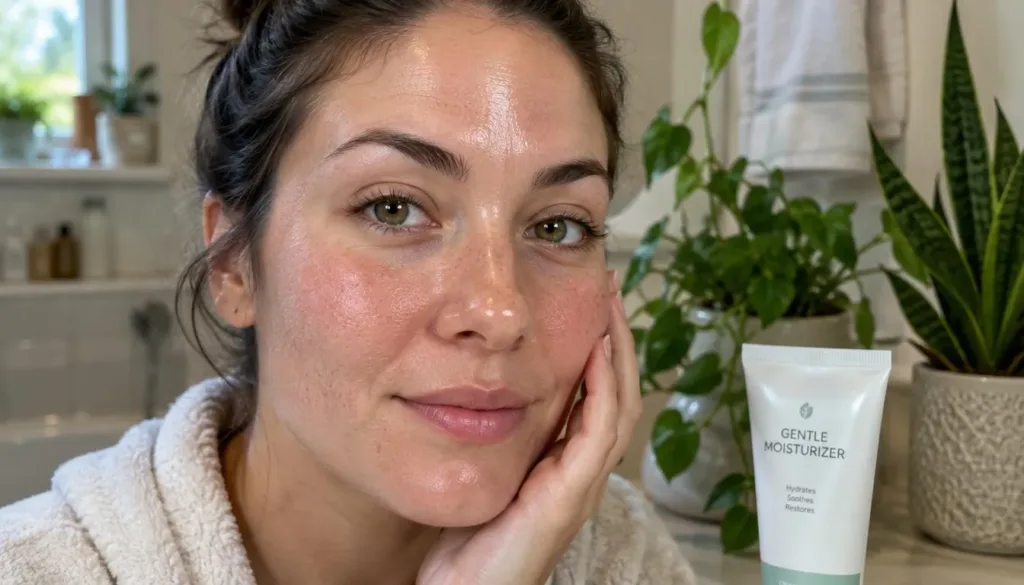
Combination skin can feel oily in some areas and dry in others. Sensitive skin may sting or burn after product use.
Choices for oily or acne-prone skin
For oily skin or acne, try a gentle cleanser and a light moisturizer. A heavy or drying feel can be a sign to rethink a product, not scrub harder.
Scrubbing can irritate skin, and adding several acne treatments at once makes it hard to tell what helps. Introduce one new treatment at a time and follow its label.
Healthy skin tips for the face should start with comfort and simple care. If acne is painful, leaves marks, or does not improve, a dermatologist can discuss treatments and other conditions.
Choices for dry, sensitive, or combination skin
For dry skin, sensitive skin, or a combination type, focus on gentle cleansing and comfortable moisture. Adjust the products you use by area when one part feels dry and another feels oily.
Skin can also change over time, so an old product choice may no longer suit you. The same skincare tips for men apply; gentle shaving can help avoid needless irritation.
Use a light touch when shaving, and avoid scraping over irritated areas. Choose products that feel comfortable rather than chasing a specific skin type label.
If a product repeatedly stings or worsens a concern, stop using it and ask a dermatologist for help.
Daily sun protection, applied correctly
A broad-spectrum sunscreen labeled SPF 30 or higher and water resistant is a practical starting point for daily sun protection. Broad-spectrum means the product protects against both UVA and UVB rays.
Apply sunscreen to dry skin 15 minutes before going outdoors, then reapply at least every two hours. Reapply sooner after swimming or sweating, and follow the product directions.
Water-resistant labels state whether protection lasts 40 or 80 minutes while swimming or sweating. Neither label means the product is waterproof or sweatproof.
Most adults need about 1 ounce to cover skin not protected by clothing. The face needs at least 1 teaspoon.
| Situation | What to do | Amount or timing | Important limit |
|---|---|---|---|
| Daily outdoor use | Apply broad-spectrum sunscreen | SPF 30 or higher; 15 minutes before going out | SPF is not a timer for sun exposure |
| Face application | Cover the face evenly | At least 1 teaspoon | Do not miss exposed areas |
| Swimming or sweating | Reapply sunscreen | Every 40 or 80 minutes, as labeled | No sunscreen is waterproof |
| Cloudy-day or extended outdoor exposure | Use sunscreen and seek shade | Reapply at least every two hours | Up to 80% of UV rays can pass through clouds |
The FDA says to reapply sunscreen at least every two hours, and more often when swimming or sweating. A 40-minute water-resistance label calls for more frequent reapplication during water activity than an 80-minute label.
SPF describes protection from sunburn, not how many hours you can stay outside without burning. Sun exposure also depends on the time of day and your location.
UV rays are present year-round, so protect uncovered skin when you go outdoors. The American Academy of Dermatology recommends shade, especially from 10 a.m. to 2 p.m., and sun-protective clothing.
About one in five Americans will develop skin cancer during their lifetime. The FDA permitted bemotrizinol as a sunscreen active ingredient in June 2026; that status is not a promise of better protection.
A wide-brimmed hat adds coverage that sunscreen can miss on exposed days.
Which extra habits support skin health?
Your routine can support skin health, but sleep, stress, and smoking habits also matter to overall well-being. Everyday habits can support general health, though they cannot promise a certain look or stop skin aging.
Sleep, stress care, not smoking, and a balanced diet are practical habits, not guaranteed skin treatments. These choices support your health as a whole.

Small daily habits beyond products
Aim for enough sleep, and find a way to move or ease stress that fits your life. A balanced diet and avoiding smoking also support overall health.
These habits may not erase wrinkles, spots, or other signs of aging. Still, they are useful basics for people who want skin care tips without adding another product.
- Get enough sleep for your needs.
- Find a manageable way to move or reduce stress.
- Avoid smoking.
- Eat a balanced diet.
People seeking skincare tips for glowing skin should keep expectations realistic. Trying to make your skin glow naturally at home does not require DIY hacks or a special device.
A list of top 10 skin care tips can include these four habits without turning them into a ten-step plan. The aim is steady care, not a promised change in appearance.
What to know about red-light devices
At-home red-light devices include masks, panels, and wands. Some are marketed for acne and signs of skin aging.
Some studies suggest subtle to noticeable changes in fine lines, wrinkles, dark spots, rough-feeling skin, redness, and loose skin. Results are not assured for every person or device.
FDA clearance means a device is considered low risk to the public; it does not prove that the device works. Short-term side effects can include mild pain or irritated skin.
People with darker skin tones may be more sensitive to visible light, including red light, and may develop more intense or longer-lasting hyperpigmentation.
That risk calls for extra caution before trying a device. Ask a dermatologist whether a device suits your skin and concerns.
Checking your skin and getting help
Notice spots that look different from your other spots or that change, itch, or bleed. The American Academy of Dermatology advises making a dermatologist appointment about a spot with these signs.
Check your skin from time to time, including areas you may not see easily. A new concern can be hard to judge alone, so professional advice can help.
If a home device or routine causes persistent irritation, pause it and seek professional advice.
Conclusion
A small routine you can follow consistently is a sound place to start. More products are optional, not a measure of success.
Care can change as your needs change, so make adjustments at a pace that feels manageable. You do not have to fix every concern at once.
Choose one simple change to try this week, and ask a dermatologist about a concern that persists or worries you.